
What is Load Center?
Load Center is an electrical distribution enclosure that receives power from a service entrance or feeder and sends it through branch circuits. It contains circuit breakers, a neutral bar, and grounding connections. A load center protects wiring from overloads and short circuits while providing a controlled point for switching and maintaining electrical power.
Quick Facts About Load Center
Category
Electrical distribution equipment
Used for
Distributing and protecting branch circuits
Common confusion
Often mistaken for the utility meter or service disconnect
Relevant standard
NFPA 70, National Electrical Code
Also called
Electrical panel, Breaker panel
Often discussed with
Electrical Panel Upgrade
Key Takeaways About Load Center
- A load center divides incoming electrical power among branch circuits throughout a building.
- Circuit breakers protect branch-circuit conductors from overloads and short circuits.
- The enclosure usually holds busbars, neutral connections, and equipment grounding connections.
- A load center is also called an electrical panel. But equipment ratings still need checks.
Understanding Load Center
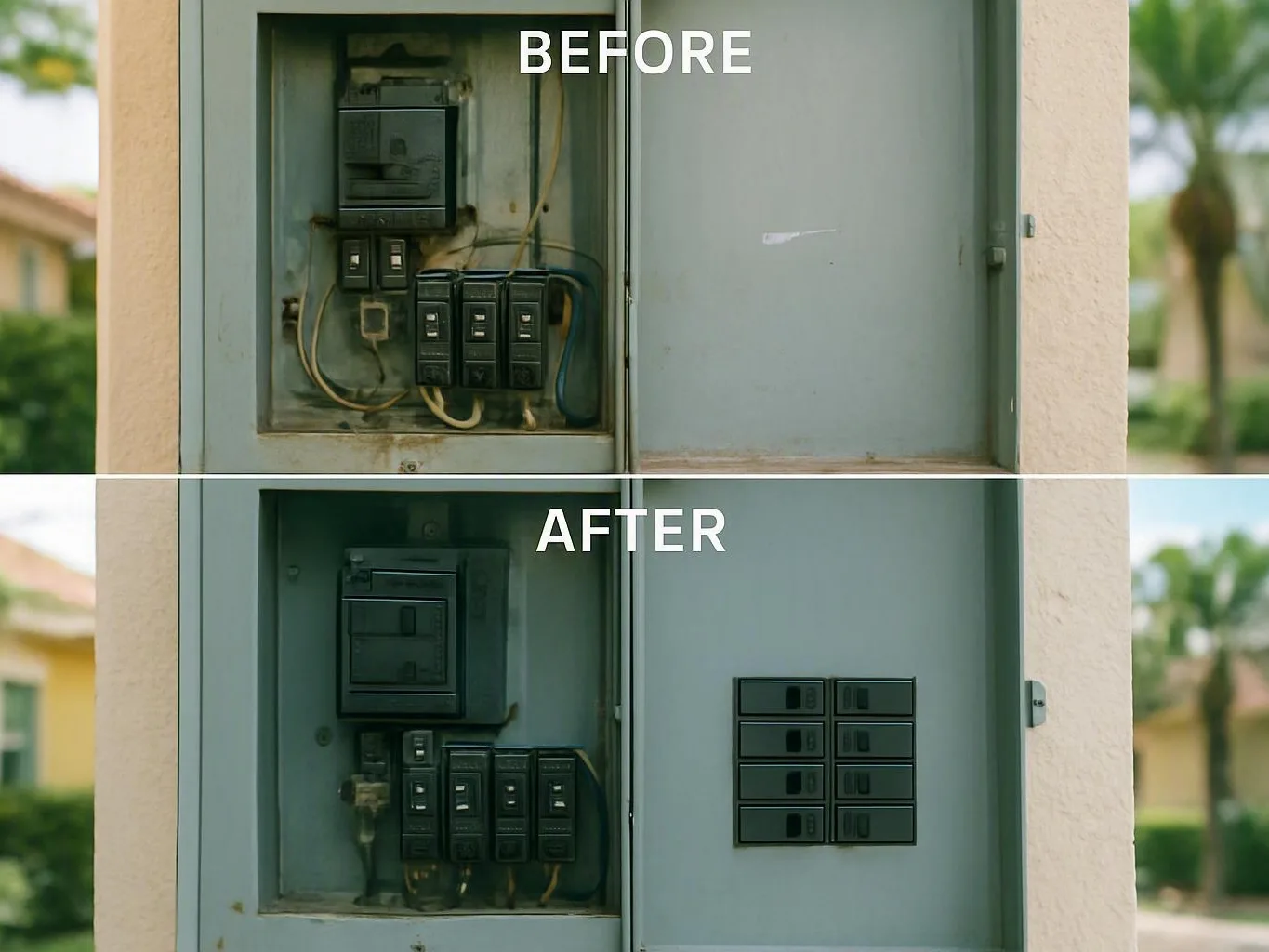
Load center is the enclosure that receives electrical power. It distributes power to individual branch circuits. A residential unit normally contains circuit breakers, insulated busbars, a neutral bar, and grounding connections. The cabinet keeps energized parts enclosed. Qualified workers can access it for inspection and maintenance.
Related glossary terms: Electrical Panel, Branch Circuit, Busbar.
Power may reach the load center from a utility service, service disconnect, or upstream feeder. Each breaker sends power to one circuit. Examples include lighting, receptacles, air conditioning, or a water heater. The load center doesn't create electricity. It doesn't measure utility use. The meter measures use. Service equipment controls the building's main connection.
How Load Center Works, Is Measured, or Is Used?
Incoming conductors connect to the main breaker or upstream disconnect lugs. The main connection energizes the panel busbars. The busbars carry power to the branch-circuit breakers. Each breaker matches the connected conductor and equipment. Excess current can open the circuit before wiring overheats.
Panel capacity uses several ratings. The ampere rating shows the maximum current the equipment can carry. Voltage and short-circuit ratings show other operating limits. A load calculation compares expected demand with service and feeder ratings. Breaker count alone doesn't show available capacity. A panel may have open spaces but still carry heavy service loads.
Installation also depends on wiring arrangement and location. Neutral and grounding conductors may share terminals in service equipment. They normally require separation in a downstream panel. A panel directory should identify each circuit clearly. Unused openings should have approved covers. Manufacturer instructions and the electrical code set acceptable breakers, conductor sizes, and methods.
Why Load Center Matters?
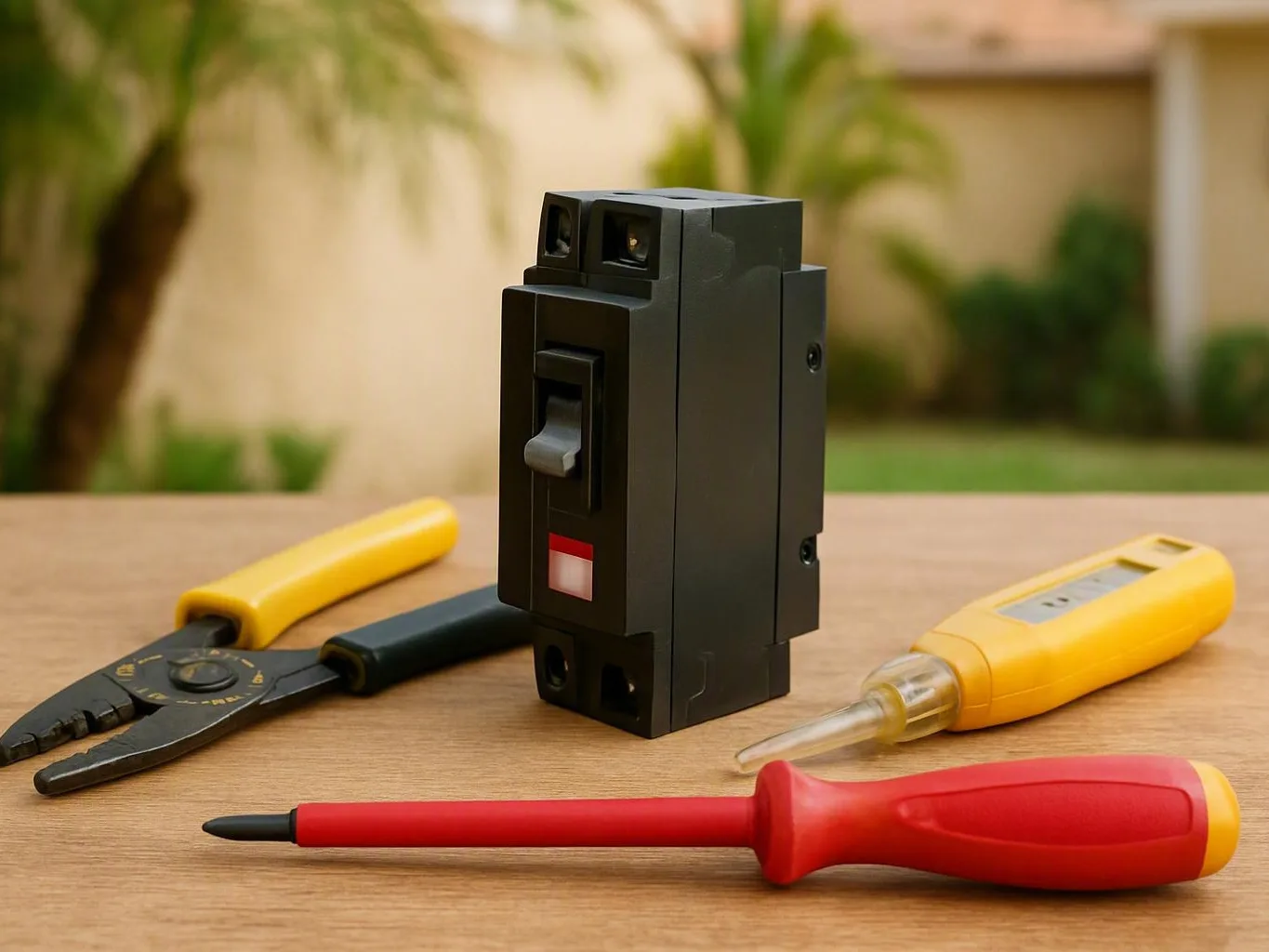
A properly selected load center supports safe power distribution. It also makes troubleshooting easier. Correct circuit breakers reduce overload damage to conductors. A clear directory helps you identify the affected circuit during an outage. Correct bonding and grounding paths help fault current operate protective devices.
Problems can appear as warm covers, repeated breaker trips, buzzing, scorch marks, corrosion, or burning odors. These signs can show loose connections, overloaded circuits, water entry, damaged breakers, or failing bus connections. A breaker that trips repeatedly shouldn't be replaced with a larger breaker. The conductors and equipment must support that rating.
When Load Center Matters Most?
Load center condition matters during renovations, air-conditioning replacements, electric vehicle charging, generator work, and service upgrades. New equipment can increase demand beyond the existing service rating. It can also show that an older panel lacks compatible breakers. An expert check should review the panel rating, feeder conductors, grounding, bonding, condition, and available capacity.
Moisture needs special attention in coastal and flood-prone areas. Water can corrode busbars and terminals while the enclosure still looks intact. Corrosion can increase resistance at connections. Before adding circuits or replacing breakers, inspect for water entry. Verify the equipment listing. Compare the work with the adopted National Electrical Code. Obtain required permits or inspections.
How to Evaluate Load Center?
- Check the panel nameplate for voltage, ampere rating, listing, and maximum short-circuit current rating.
- Compare the service rating and feeder conductor size with a documented electrical load calculation.
- Look for warm spots, corrosion, scorch marks, buzzing, loose covers, or repeated breaker trips.
- Verify that every breaker matches the panel listing and that the circuit directory is accurate.
- Confirm required grounding, bonding, working clearance, permits, and inspection requirements.
Related Concepts Compared
Load Center vs. Electrical Panel
Electrical panel is a broad term for equipment that distributes electrical power. A load center is a common type of panelboard used in residential and light commercial settings.
Load Center vs. Service Disconnect
The service disconnect provides the main means of disconnecting a building from the utility supply. A load center may contain that disconnect, or it may be located downstream from a separate disconnect.
Load Center vs. Subpanel
A subpanel is a downstream panel supplied by a feeder from another panel or disconnect. It distributes circuits locally but is not normally the building's service equipment.
Load Center vs. Circuit Breaker
A circuit breaker is a protective switching device installed inside a load center. The load center is the enclosure and distribution assembly that holds breakers and related connections.
Expert Note
A panel with spare breaker spaces does not necessarily have spare electrical capacity. Capacity depends on the service rating, feeder size, calculated demand, breaker compatibility, and the condition of busbars and terminations.
Common Mistakes or Myths About Load Center
- Assuming an empty breaker space proves that the service has capacity for another circuit.
- Installing a larger breaker to stop nuisance trips without checking conductor size and equipment ratings.
- Treating the utility meter as the panel that distributes power inside the building.
- Leaving corrosion, water damage, scorch marks, or a burning odor uninspected.
- Using breakers that are not listed or approved for the specific panelboard.
Load Center in Practice: A Real-World Example
A Miami home has a 150-amp load center serving AC, kitchen appliances, lights, and receptacles. The owner plans to add an electric vehicle charger. An electrician checks panel rating, feeder conductors, load calculation, breaker fit, and space before approval.
Sources & Further Reading on Load Center
- Occupational Safety and Health Administration, Electrical Safety
- Florida Building Commission, Florida Building Code
Related Services
Related Terms
Electrical Panel
Electrical Panel is the enclosure that receives electrical power from a utility service or other source…
Branch Circuit
Branch Circuit is the wiring section that carries electricity from a circuit breaker or fuse to…
Busbar
Busbar is a rigid conductor, usually made from copper or aluminum, that distributes electrical power to…
Overcurrent Protection
Overcurrent Protection is a safety method that limits electrical current when a circuit carries more electricity…
Earth Electric
Have Questions About Load Center?
Contact Earth Electric for practical guidance on Load Center and related 24 hour electrician work in Miami.