
What is a Receptacle?
Receptacle is a wiring device with contact openings that receives an electrical plug and supplies power to connected equipment. A receptacle may be installed in a wall, floor, ceiling, or special enclosure. Common types include grounding, GFCI, tamper-resistant, USB, and weather-resistant models, each selected for its location and electrical requirements.
Quick Facts About Receptacle
Category
Electrical wiring device
Used for
Connecting plug-in equipment to branch circuits
Common confusion
Receptacle means the installed outlet device, not the removable plug
Relevant standard
National Electrical Code requirements
Also called
Electrical outlet, Power outlet
Often discussed with
Outlet And Switch Installation, GFCI Outlet Installation
Key Takeaways About Receptacle
- A receptacle receives a plug, while the plug connects an appliance to the electrical circuit.
- Ratings must match circuit voltage, amperage, wiring, location, and intended equipment.
- GFCI receptacles help reduce shock risk in wet or damp locations.
- Heat, discoloration, looseness, buzzing, or repeated tripping signals a possible electrical problem.
- Tamper-resistant and weather-resistant models address specific safety and environmental conditions.
Understanding Receptacle
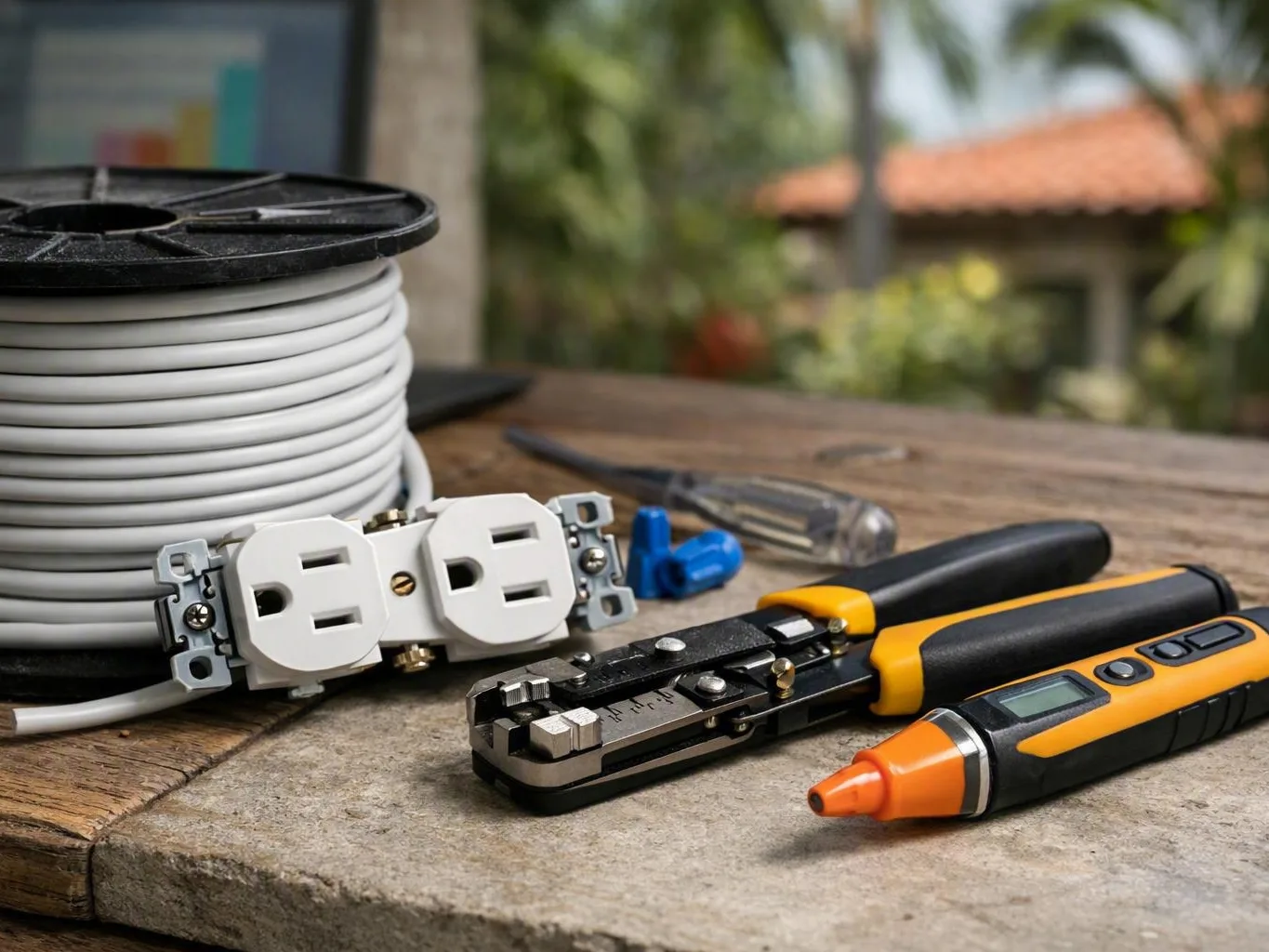
Receptacleis an installed device that accepts a plug. It connects equipment.branch circuit. People often call it an outlet. Outlet has a broader technical meaning in electrical work. A receptacle contains contact points, terminals, and a face. The face supports the plug during use. The device may sit in a wall box, floor box, ceiling box, or outdoor enclosure.
Related glossary terms: Branch Circuit, Ground-Fault Circuit Interrupter, Equipment Grounding Conductor.
Basic receptacles have two slots that carry current. They may include a grounding opening.duplex receptacle provides two plug connections in one device. Other designs include GFCI receptacles, tamper-resistant receptacles, USB receptacles, and weather-resistant receptacles. The correct type depends on the location, connected load, moisture exposure, needed protection, and circuit design.
How Receptacle Works, Is Measured, or Is Used?
A receptacle transfers electricity through spring contacts. These contacts grip the plug blades. Current travels from the circuit wires through the receptacle and into connected equipment. It then returns through the neutral wire when the circuit uses one. The grounding path normally carries fault current only. This helps protective devices shut off power during a fault. A secure terminal connection reduces heat and unwanted resistance.
Electricians check a receptacle's voltage rating, ampere rating, design, grounding method, and environmental rating. A common home receptacle is rated for 125 volts. The circuit breaker, wire size, and equipment load must also match. A 20-ampere receptacle doesn't make a circuit supply 20 amperes. The wiring or safety device may have a lower rating. Testing can include polarity checks, grounding checks, and GFCI trip tests. It can also include terminal connection checks.
Why Receptacle Matters?
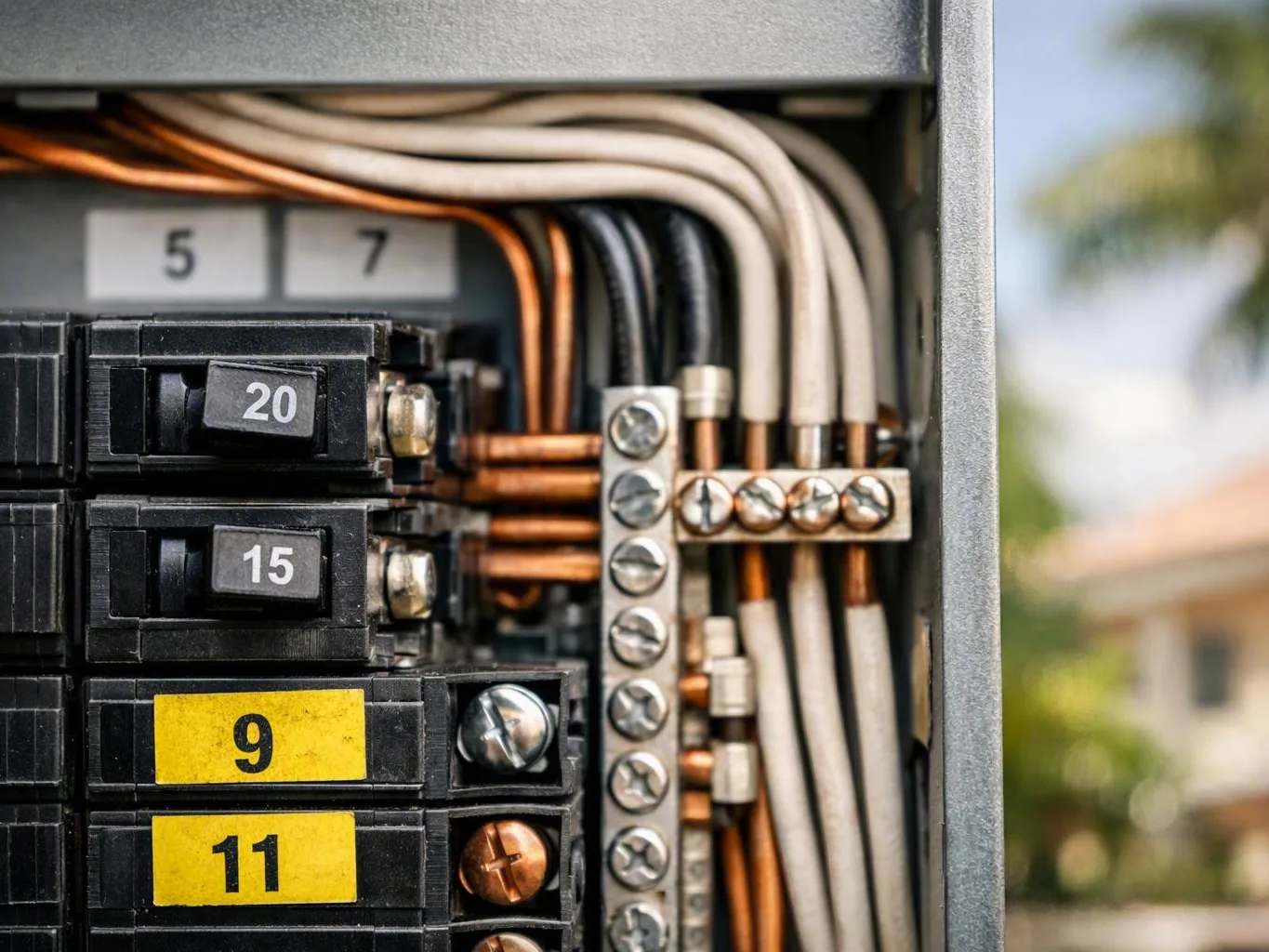
The receptacle is where people often interact with a building's electrical system. A loose connection can create resistance, heat, arcing, or uneven power. Burn marks, melted plastic, or a hot faceplate are warning signs. Buzzing or a loose plug also signals a problem. The device or its wiring may need attention.
Correct selection also supports electrical safety and equipment performance. A ground-fault circuit interruptercan shut off power after sensing an imbalance. The imbalance occurs between outgoing and returning current.tamper-resistant receptacle helps stop objects from entering the contact openings. These features don't replace correct wiring or proper circuit protection. They also don't replace safe use of electrical equipment.
When Receptacle Matters Most?
Receptacle selection matters during remodeling, appliance setup, inspections, and water damage repairs. Kitchens, bathrooms, garages, outdoor areas, and laundry spaces may need special protection. The applicable National Electrical Code rules and local amendments set these needs. Outdoor devices also need suitable covers and weather-resistant construction.
Pay close attention when a new appliance draws much power or runs often. A dedicated circuit may be needed for a large microwave, freezer, or air conditioner. It may also be needed for electric vehicle supply equipment. Replace a damaged device instead of forcing in a loose plug. Stop using a receptacle with heat damage, sparks, smoke, or repeated breaker trips. Permit and inspection rules may apply when a receptacle circuit is added, moved, or changed.
How to Evaluate Receptacle?
- Confirm the receptacle voltage and ampere ratings match the circuit breaker, wire gauge, and connected equipment.
- Test GFCI receptacles with the test and reset buttons, and verify that power disconnects and returns correctly.
- Look for heat discoloration, cracks, loose mounting, buzzing, sparks, or plugs that do not grip firmly.
- Check that the face type, cover, grounding, and weather rating suit the installation location.
- Ask whether a dedicated circuit, permit, or code correction is required for the planned equipment.
Related Concepts Compared
Receptacle vs. Outlet
Outlet is a broad electrical term that can refer to one or more points where power is supplied. Receptacle specifically describes the device that accepts a plug.
Receptacle vs. Plug
A plug is the removable device attached to an appliance cord. A receptacle is the fixed device installed in the building wiring.
Receptacle vs. GFCI Receptacle
A GFCI receptacle is a specialized receptacle that monitors current imbalance and disconnects power during a ground-fault condition. A standard receptacle does not provide that protective function.
Receptacle vs. Junction Box
A junction box encloses wire splices and connections. A receptacle provides a connection point for plug-in equipment and is usually installed in a box.
Expert Note
A receptacle's face rating alone does not establish circuit capacity. Check the breaker, conductor size, terminal connections, box condition, and equipment load together. In older homes, a three-slot face may not prove that a functional equipment grounding path exists.
Common Mistakes or Myths About Receptacle
- Assuming every three-slot receptacle has a working equipment grounding path.
- Installing a higher-rated receptacle without checking the circuit wiring and breaker.
- Ignoring a loose plug, warm faceplate, buzzing sound, or darkened plastic.
- Using an indoor receptacle or cover in an outdoor or damp location.
- Repeatedly resetting a GFCI receptacle without finding the cause of the trip.
Receptacle in Practice: A Real-World Example
A bathroom receptacle trips when a hair dryer is plugged in. The device may be a GFCI receptacle protecting the bathroom circuit, and resetting it may restore power.
Sources & Further Reading on Receptacle
- National Fire Protection Association, National Electrical Code
- Electrical Safety Foundation International, Home Electrical Safety
Related Terms
Branch Circuit
Branch Circuit is the wiring section that carries electricity from a circuit breaker or fuse to…
Ground-Fault Circuit Interrupter
Ground-Fault Circuit Interrupter is a protective device that monitors current flowing through an electrical circuit and…
Equipment Grounding Conductor
Equipment Grounding Conductor is a wire or conductive path that connects non-current-carrying metal parts of electrical…
Overcurrent Protection
Overcurrent Protection is a safety method that limits electrical current when a circuit carries more electricity…
Earth Electric
Have Questions About Receptacle?
Contact Earth Electric for practical guidance on Receptacle and related 24 hour electrician work in Miami.