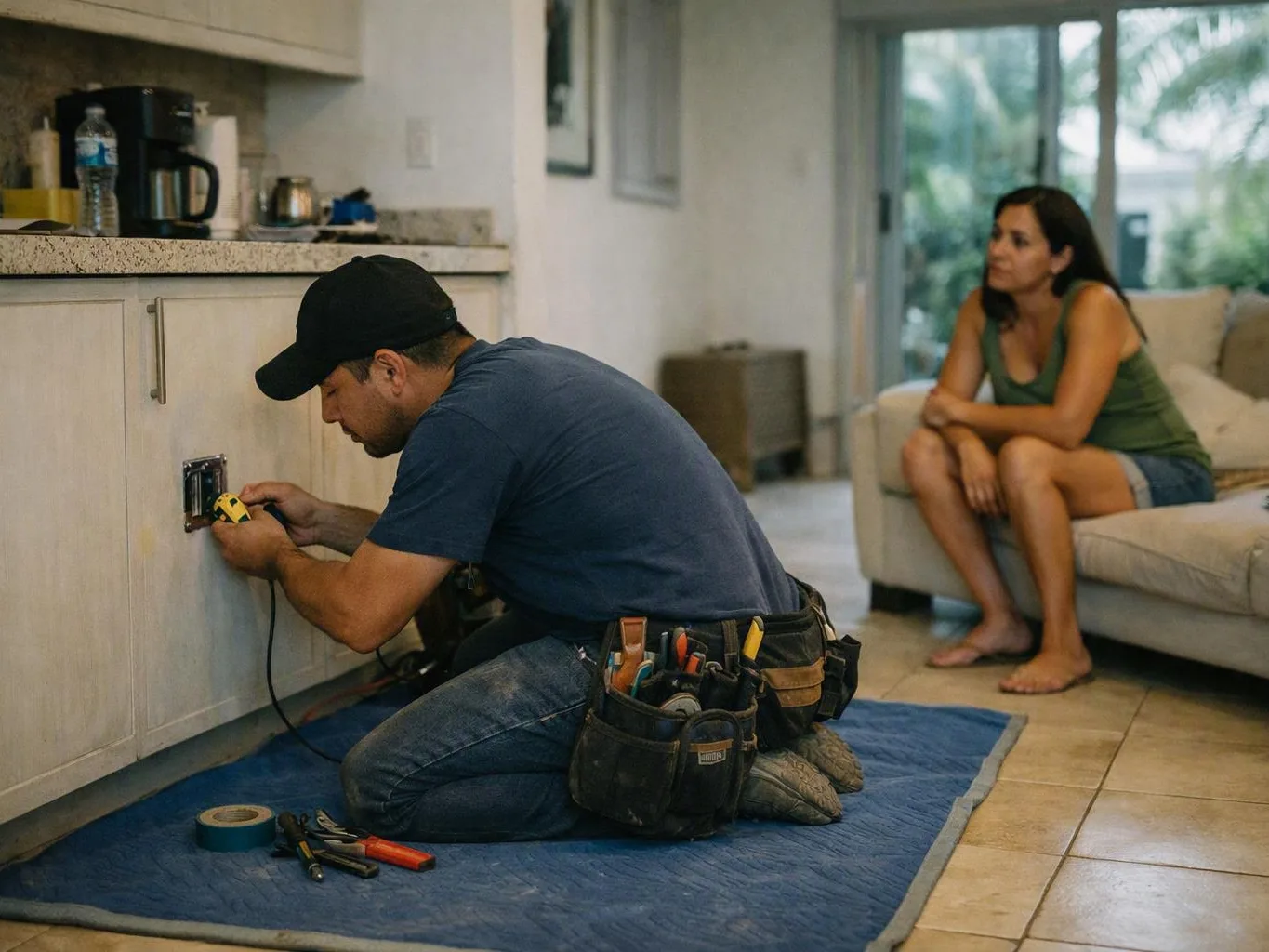
Circuit Breaker Repair vs. Replacement in Miami, FL
Circuit breaker replacement often costs more than repair. An electrician installs a new, matching breaker and tests the panel. Repair may mean tightening wires or fixing another circuit problem. Replacement may be needed when a breaker is damaged, hot, old, or trips again. A fuse follows a different cost path. The fuse gets used once, then needs replacement. Miami, FL weather can affect costs. Humidity, salt air, lightning, storms, labor, access, and permits may change the price. An electrician should check the circuit before suggesting repair or replacement.
Get a Free Estimate
Earth Electric helps local homeowners choose safe electrical repairs. Our team checks the breaker, wires, load, and panel. We don't treat every trip as a bad breaker. This method helps protect.MiamiFL residential electrical system. It can also help stop the same problem from returning.
Circuit Breaker Repair vs. Replacement: Quick Comparison
Breaker repair fixes a wiring, connection, or testing problem. Replacement adds a new matching breaker. Repair may cost less. Replacement is often right when the breaker can't protect the circuit.
| Factor | Circuit breaker repair | Circuit breaker replacement |
|---|---|---|
| Cost | Usually costs less when the breaker passes tests. | Includes the right part, labor, testing, and possible permit work. |
| Timeline | May be quick after tests find a loose wire or connection. | Often takes little time, unless the panel or wiring needs repair. |
| Maintenance | Can fix a safe connection and lower stress on the system. | Adds a new device, but the circuit still needs load and connection tests. |
| Best for | A circuit problem with a breaker that still works. | A breaker that failed, overheated, broke, or became outdated. |
Both choices need the right breaker size and panel match. The breaker terminal and panel bus bar also need checks. Regular service can find heat marks, rust, and loose parts early. These problems can lead to urgent electrical repair.
How Much Does Circuit Breaker Repair or Replacement Cost?
Circuit breaker replacement cost depends on the breaker type, size, panel, labor, and access. Testing may also find a larger fault. Circuit breaker repair cost depends on the work needed. This work may include tightening a connection or fixing wires. A qualified electrician should check the circuit first.
Common jobs include single-pole breaker replacement and double-pole breaker replacement. They may also include AFCI or GFCI breaker replacement. These breakers serve different safety needs. A thermal-magnetic breaker helps stop overloads and short circuits. Specialty breakers may need a matching neutral wire and panel.
Electrician labor depends on the panel location and safe power shutoff. Attic access, crawl-space access, rust, and testing can add time. Miami, FL humidity and coastal air can speed up rust. This rust may affect wires and panel parts. An inspection helps before a new part gets installed.
Lightning, tropical storms, and power surges can harm breakers and appliances. They can also damage panel parts. Heavy cooling use can raise home power loads. Air conditioners and appliances may overload one circuit. Older homes may have old breakers, fuse boxes, or worn wires. A panel upgrade may work better than a small repair.
Most simple replacement visits take about one to two hours. This time includes basic electrical tests. It is only a common range. A larger fault or hard access can add time. Permits and inspections may also change the schedule.
Can a Circuit Breaker Be Repaired, or Does It Need Replacement?
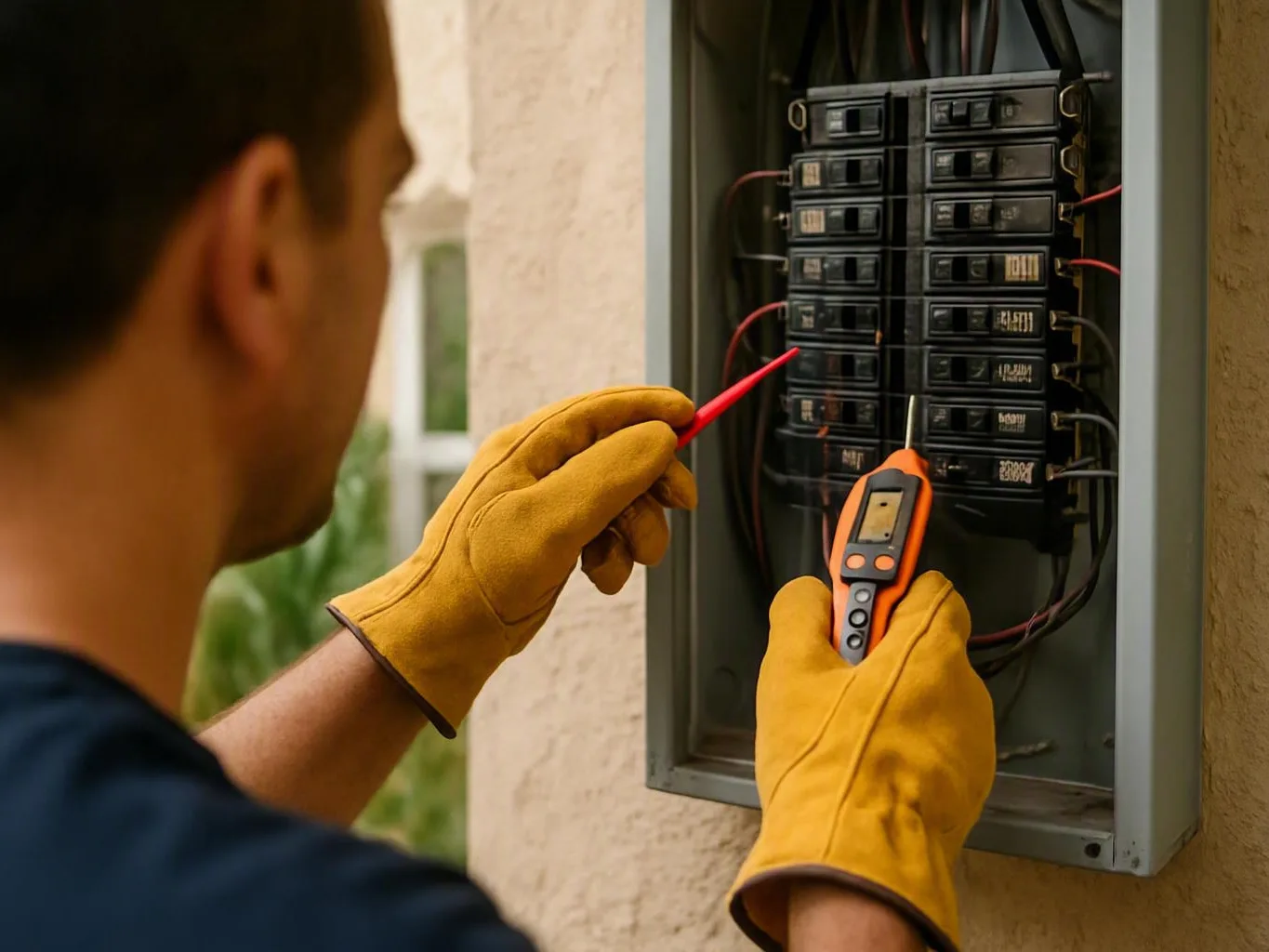
A circuit may be repaired when the breaker still works. The breaker usually needs replacement when it is damaged, hot, loose, old, or fails tests. An electrician checks for overloads, short circuits, ground faults, and loose connections. This helps separate a bad breaker from another circuit problem.
Don't open or rebuild a damaged circuit breaker at home. Its inner parts stop current in a safe way. A burn mark or hot smell can show a serious safety issue. The electrician may shut off the circuit first. They may then check the breaker terminal, panel, and wires.
A loose connection can create heat without a large fault. An overloaded circuit may trip when many appliances run together.short circuit or ground fault may trip at once. These faults can come from damaged wire covers, water, or bad appliances. They need tests, not repeated resets.
Our team can explain whether Circuit Breaker Repair in Miami is suitable. We can also explain when Circuit Breaker Replacement is safer. One new breaker may not fix a discontinued part or badly damaged panel.
Pros and Cons of Circuit Breaker Repair
Repair can help when tests find a fixable problem. The breaker must still work well. Repair can't make a failed breaker safe.
Pros
Cons
Pros and Cons of Circuit Breaker Replacement
Replacement is often best when tests show a failed breaker. The new part must match the panel, circuit, maker, and safety type.
Pros
Cons
Why Does My Circuit Breaker Keep Tripping?
A circuit breaker keeps tripping when it senses too much current or a fault. Causes include overloads, short circuits, ground faults, arc faults, bad appliances, and loose connections. Repeated trips need a cause check. An electrician should inspect the circuit before changing the breaker.
Heavy cooling use can strain an older Miami, FL home circuit. Air conditioners, portable coolers, and kitchen tools may run together. The breaker may work correctly. It opens the circuit to help prevent overheating.
A short circuit often trips the breaker right away. A ground fault sends current along the wrong path. It can create a shock risk near wet areas. An arc fault may come from damaged wires or poor connections. Storms, lightning, and surges can harm appliances and panel parts.
Unplug equipment only when it is safe. Don't reset a hot, buzzing, smoking, or damaged device. Our team can check the load, wires, and breaker. A 24 Hour Electrician may be needed for smoke, burning smells, exposed wires, or unsafe power loss.
How Much Does Fuse Replacement Cost?
Fuse replacement cost depends on the fuse type, size, access, and cause. A fuse may blow from an overload or deeper wire fault. A new fuse may restore power for a short time. Fuses that keep blowing may show unsafe loads, bad wires, or an old fuse box.
A fuse is a safety part that stops excess current. Unlike a breaker, it works once and must then be replaced. Some small fuse boxes use plug fuses. Larger circuits may use cartridge fuses. The new fuse must have the same rating. A larger fuse can let wires overheat.
Older Miami-area homes may have fuse boxes, old wires, or hard-to-find parts. Humidity and storms can also harm these systems. Frequent blown fuses may call for load changes, wire repair, or a panel upgrade.
Access and testing affect the service scope. An electrician should ask what was running when the fuse blew. They should also check for heat and rust. Never use foil or a larger fuse rating. Don't use items not made for the fuse box.
How Long Does Circuit Breaker Replacement Take?
Circuit breaker replacement can be quick. Finding the cause of repeat trips may take longer. The full visit depends on access, breaker fit, wire condition, testing, and permits. The electrician should shut off power safely, install the right breaker, and test the circuit.
A simple visit may take one to two hours. No fixed time should be promised before testing. Storm damage, rust, old panels, and hidden wire faults can expand the job. A device change may become broader residential electrical service.
Questions About 24 Hour Electrician
How Much Does It Cost to Replace a Circuit Breaker?
The cost depends on the breaker type, size, panel fit, labor, access, and testing. Testing may find a wire fault. A simple device change is usually easier than a panel upgrade. Storm damage can also add work. An on-site check is needed for a reliable recommendation.
Can a Circuit Breaker Be Repaired or Does It Need Replacement?
The circuit may be repaired when the cause is a loose connection, wire issue, overload, or bad appliance. The breaker usually needs replacement when it is damaged, hot, old, or fails tests. Repeated trips need testing before any part changes.
How Much Does Fuse Replacement Cost?
Fuse replacement cost varies by fuse type, rating, access, and cause. Plug fuses and cartridge fuses need different parts. Frequent blown fuses may show an overload, bad wiring, or an old fuse box. A larger upgrade may be needed.
Why Does My Circuit Breaker Keep Tripping?
Common causes include overloads, short circuits, ground faults, arc faults, bad appliances, and loose connections. Heavy air-conditioning use, lightning, surges, water, and old wires can also contribute. Don't keep resetting the breaker without finding the cause.
Repeated trips need safe testing, not repeated resets. Our team can check the panel, load, wires, storms, and rust. We can then explain the next step for your home.
Schedule electrical troubleshootingRelated Resources
How Much Does a 24-Hour Emergency Electrician Cost in Miami?
24 hour emergency electrician cost Miami
How It WorksElectrical Troubleshooting: What the Diagnosis Involves and What It Costs
electrical troubleshooting cost and process
How It WorksElectrical Inspection and Code-Compliance Corrections: Process and Cost Factors
electrical inspection and code compliance correction cost
When You Need ItWarning Signs You Need an Emergency Electrician
emergency electrical warning signs