What Miami Homeowners Should Do During an Electrical Emergency
Miami homeowners should protect people first. Shut off power only when it’s safe. Never touch damaged wires or wet electrical tools. Call a trained emergency electrician for urgent hazards. Smoke, sparks, burning smells,.
Get a Free EstimateWhat to Do During an Electrical Emergency?
Electrical emergencies need fast safety steps. Move people away from smoke, sparks, wires, and water. Call emergency services for fire or medical danger. Shut off the main breaker only when the panel is dry and easy to reach. Then contact an emergency electrician. Never touch damaged tools. Don’t reset a tripped breaker more than once.
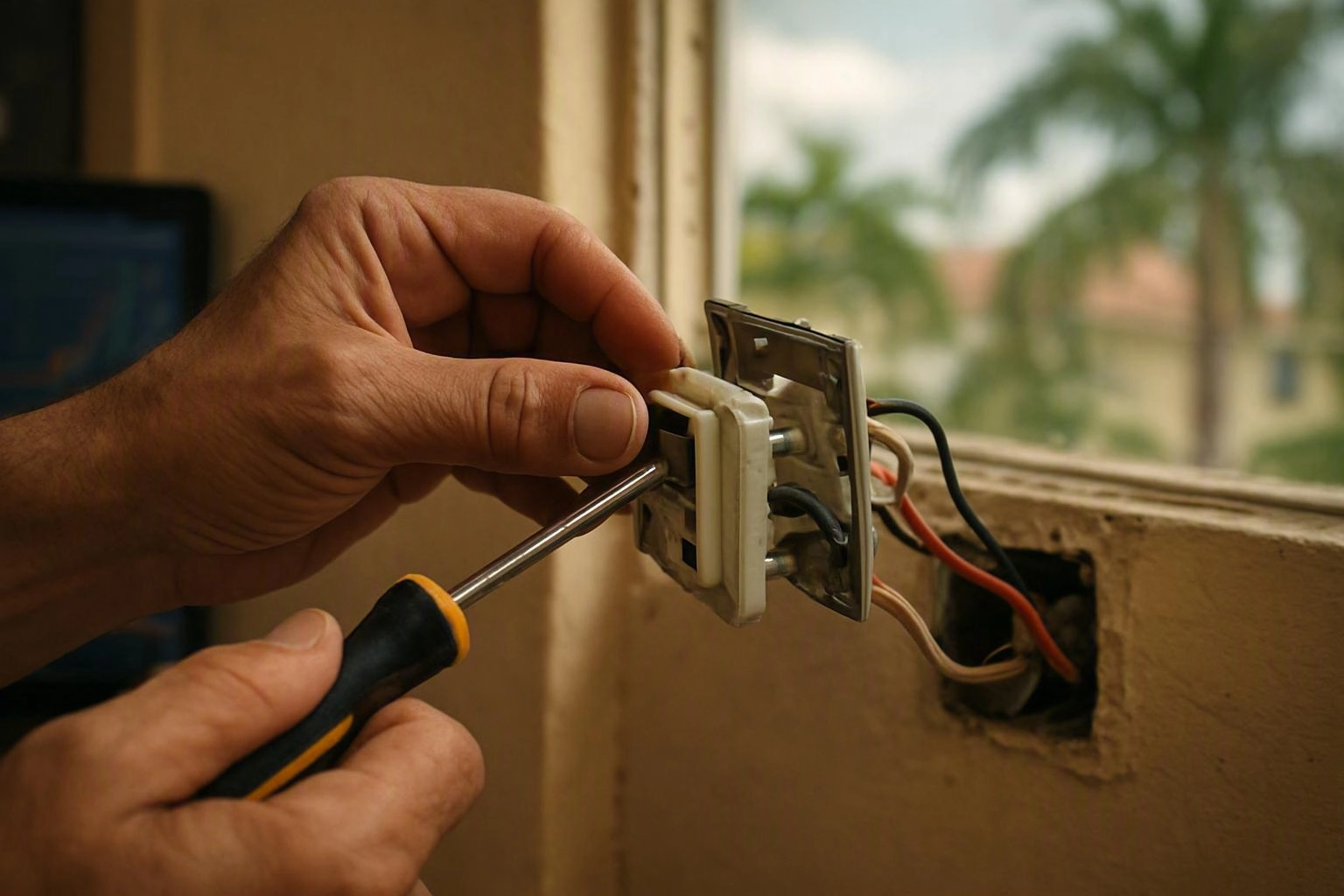
Don’t open outlets or remove panel covers. Don’t splice wires or test a fault yourself. One mistake can cause shock, fire, or hidden damage. If the home is wet, leave power off. Wait for trained help.
When Should I Call an Emergency Electrician?
A Miami homeowner should call an emergency electrician for burning smells, sparks, arcs, hot outlets, exposed wires, or repeated breaker trips. Call for electrical shocks or water near live equipment. A trained professional can find the fault and make urgent repairs. You don’t need to test dangerous parts yourself.
Call a 24-hour emergency electrician when a problem may cause fire, shock, equipment damage, or unsafe power loss. A burning smell may mean a wire or connection is too hot. Turn off the affected circuit if the panel is dry and safe. Then arrange help.
Visible sparks or electrical arcs need urgent care. An arc can cross a damaged connection. It may continue inside a wall or device. Don’t put your hand near the sound. Don’t tighten a wire or terminal. Exposed wires also need quick service. They may seem inactive but still carry danger.
Repeated breaker trips aren’t a small problem. An overloaded circuit may cause them, so can a short, moisture, or a failing appliance. A worn safety device may also be at fault. Repeated resets create more heat and damage. Leave the breaker off if it trips again.
Some homeowners search for a “24 Hour Electrician” after normal hours. The key issue is safe help, not the search term. A trained person should inspect the hazard. Guessing at the cause can make the problem worse.
How to Restore Power Safely After an Electrical Problem?
Start by checking the size of the outage. Find out if one circuit or the whole home lost power. Remove safe plug-in loads. Check for water, heat, smoke, or damage. Reset a breaker only once when the area is dry and safe. If it trips again, leave it off. Arrange professional electrical troubleshooting.
Power isn’t fully restored when the lights return. A fault may still hide behind a wall or inside an outlet. It may also remain at a service connection. Most basic troubleshooting visits take about 30 to 90 minutes. This time covers finding the affected circuit. Repairs may take longer. Parts, water damage, and access can add time. This range isn’t a promise.
Our team can inspect the cause and explain safe choices. We can complete emergency power troubleshooting when it fits the problem. Service equipment may need replacement. We can discuss Miami and Miami-Dade permit or inspection rules.
Why Miami Homeowners Need Emergency Electrical Service?
Miami homes face several causes of electrical trouble. Humidity, storms, lightning, coastal air, old wires, and overloaded circuits can all play a part. These conditions may damage equipment and connections. They can also make breaker, panel, outlet, and wiring problems worse. Water inside a home raises the risk.
Local weather can change how a fault grows. Heavy rain may bring water into outdoor equipment, wall openings, outlets, or appliances. Flooding, roof leaks, and plumbing leaks create shock risks. Stay away from wet electrical areas. Don’t restore power until someone checks them.
The electrical panel sends power to different parts of the home. It isn’t a tool for finding every fault. Storms, corroded connections, and old parts may need a wider inspection. Panel, service, and wiring work may need Miami and Miami-Dade permits or inspections. Don’t assume emergency work avoids these rules.
What to Expect from 24-Hour Emergency Electrical Service?
24-hour emergency electrical service starts with a report about the hazard. An electrician then checks the site and finds the unsafe circuit or device. The electrician explains urgent repair choices. Services may include circuit breaker repair, fuse replacement, outlet repair, or safe temporary power steps.
Give clear facts when you call. Don’t try to name the failed part. Tell us about burning smells, smoke, sparks, exposed wires, shocks, water, storms, or repeated trips. Say if anyone is inside. Tell us if the main breaker is off. Mention blocked access to the panel.
Our team starts with a visual check. We inspect visible conditions and safe-to-reach equipment. We may find the affected circuit or separate unsafe loads. We also check for heat and moisture. We don’t ask homeowners to remove covers. We don’t ask them to test live parts.
Urgent electrical repair depends on what we find. It may include breaker repair, fuse replacement, outlet work, or damaged wire repair. We may use a safe temporary fix while planning a larger repair. The right repair depends on equipment damage, the fault source, parts, and local approvals.
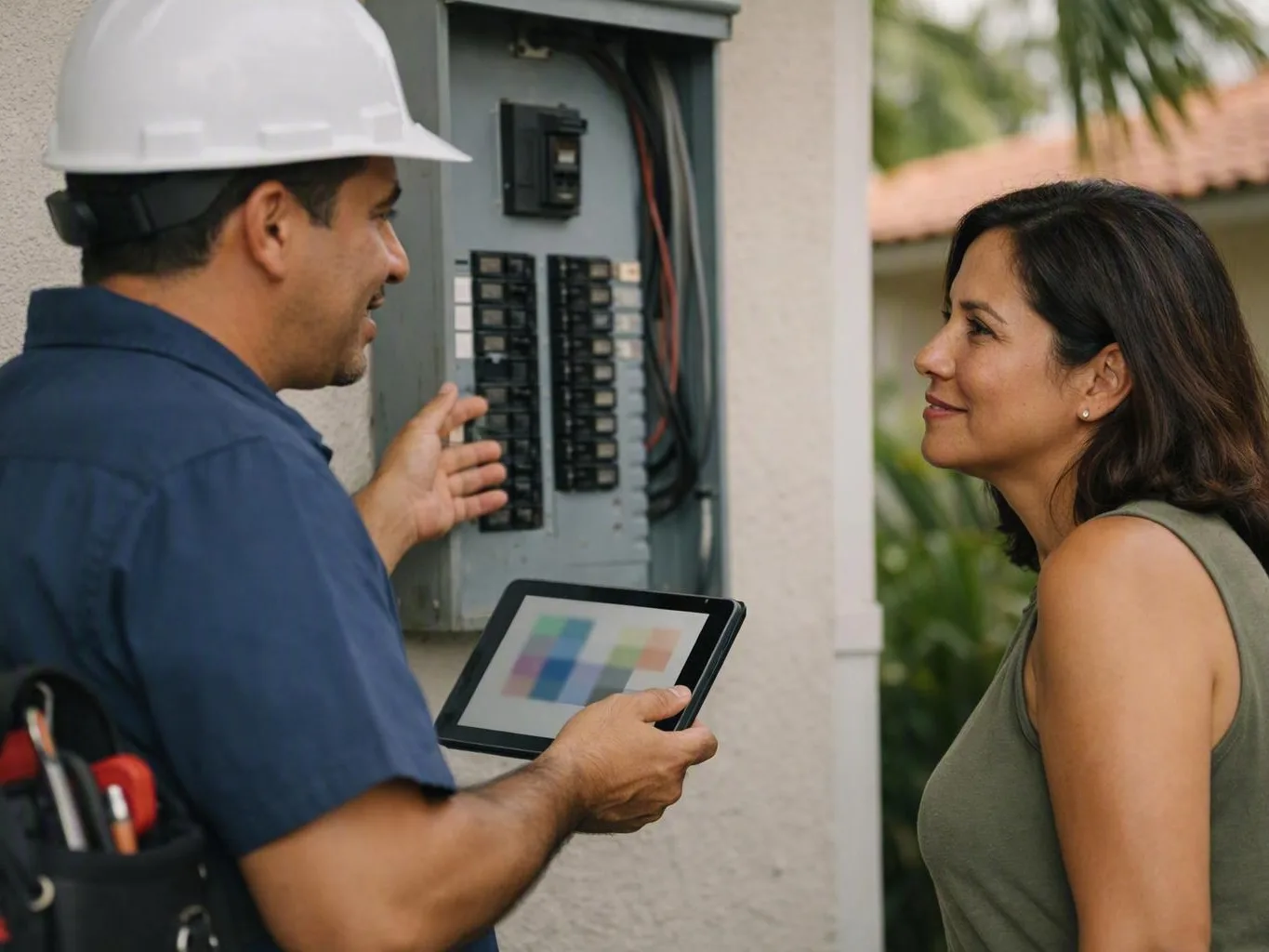
We explain what’s unsafe and what can be made safe. We also explain what needs repair next. This helps you decide whether to keep a circuit off. It can also help you protect appliances, arrange access, or leave the home.
Features and Challenges Miami Homeowners Should Consider
Miami homeowners need emergency electrical help that’s available after hours. Clear arrival updates also matter, so does safe fault testing and a clear repair plan. Common problems include blocked panels, water, repeated trips, old parts, and unclear outage sources.
Fast help matters, but safety comes first. No crew should ask you to take unsafe steps. Ask what facts to share before arrival. Ask how to keep people away. Ask if power should stay off.
Key Features That Matter
Common Challenges Homeowners Face
Keep the path to the panel clear when you can. Don’t enter a wet or damaged area to clear it. During a wide outage, follow utility guidance. An electrician can address home problems like heat, smoke, damaged wires, or a failed panel part.
Emergency Electrical Questions Miami Homeowners Ask
Miami homeowners often ask if a power problem is an emergency. They also ask about breaker resets and response times. The safest answer depends on damage, heat, smoke, water, shock risk, and repeat faults. Persistent or unsafe symptoms need a professional check.
Use these answers as a first safety guide. They don’t replace an inspection. When you’re unsure, keep people away from the equipment.
Questions About 24 Hour Electrician
Is There a 24/7 Emergency Electrician in Miami?
Yes. Earth Electric provides 24-hour emergency electrical service for home hazards in Miami. Call for smoke, sparks, burning smells, exposed wires, shocks, or water near live equipment. Call if a breaker trips again after one safe reset.
What Should I Do During an Electrical Emergency?
Move people away from smoke, sparks, wires, and water. Call emergency services for fire or medical danger. Never touch wet or damaged equipment. Then contact a trained emergency electrician.
How Do I Restore Power Safely After an Electrical Problem?
Find out if one circuit or the whole home is affected. Remove safe plug-in loads. Check for water, heat, smoke, or damage. Reset the breaker once if the area is dry and safe. Request professional troubleshooting.
When Should I Call an Emergency Electrician?
Call for burning smells, sparks, electrical arcs, hot outlets, exposed wires, shocks, or water near electrical equipment. Call for repeated breaker trips, panel damage, or an unknown cause.
Why Does My Circuit Breaker Keep Tripping?
A breaker may trip from an overloaded circuit, short circuit, moisture, or a damaged appliance. Loose wiring or a failing safety device may also cause trips. Reset it once when the area is dry and safe.
Our team can assess urgent home electrical problems. We can isolate unsafe equipment and discuss the next repair step. Share the location, symptoms, recent storms, water exposure, and changes before the failure.
Earth Electric offers 24-Hour Emergency Electrical Service in Miami for homeowners who need help after hours. Contact us through our contact page.
Related Resources
How Much Does a 24-Hour Emergency Electrician Cost in Miami?
24 hour emergency electrician cost Miami
How It WorksElectrical Troubleshooting: What the Diagnosis Involves and What It Costs
electrical troubleshooting cost and process
How It WorksElectrical Inspection and Code-Compliance Corrections: Process and Cost Factors
electrical inspection and code compliance correction cost
Compared ToCircuit Breaker Repair or Replacement: Cost, Causes, and What to Expect
circuit breaker repair vs replacement cost